In 1958, the economic environment in Spain had become difficult, and Pere Permanyer, the majority shareholder of Montesa, felt that costs had to be reduced by suspending racing activities. Francisco “Paco” Bultó, co-founder and technical director of Montesa, strongly opposed the decision.
Paths Diverge
No compromise was found. Bultó left Montesa, and that same year, a group of the company’s former engineers, mechanics, and racing department employees gathered around him. The group began designing a new 125cc motorcycle. The new company was named Compañía Española de Motores, or CEMOTO, and its motorcycles were known as Bultaco. The first production model, the Tralla 101, was introduced in 1959.
Bultaco was not legally a split part of Montesa but a new company, yet its personnel, technical expertise, and racing philosophy largely originated from Montesa. Thus, two closely linked competitors emerged in the Barcelona area. Over the next two decades, they built motocross bikes that won both European Championship rounds and US national races.
Bultaco Pursang
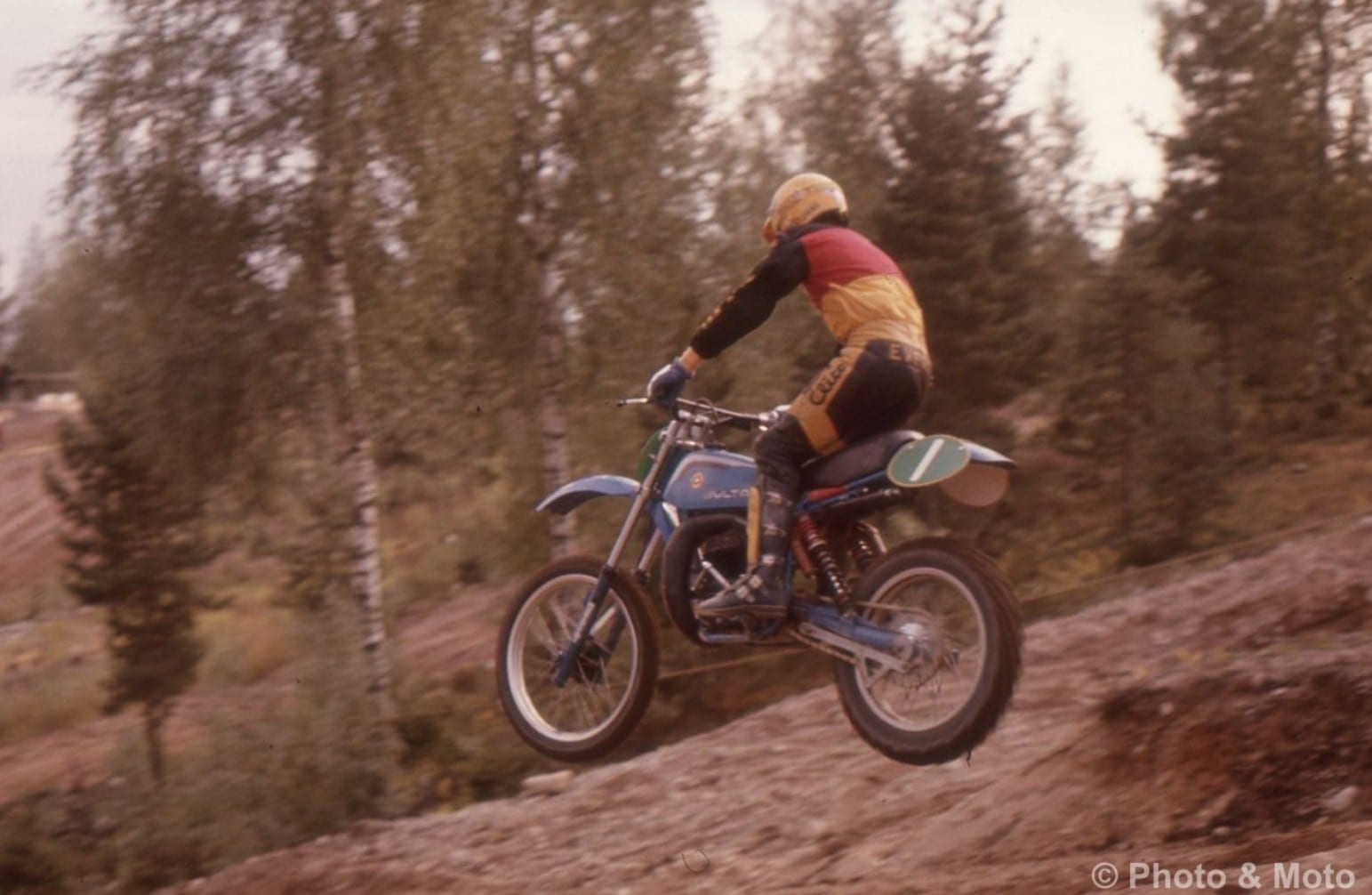
Bultaco’s motocross lineup was known as the Pursang. The name meant thoroughbred and described Paco Bultó’s idea of a motorcycle designed from the ground up for competition use.
The model’s development began with the Rickman-Bultaco Métisse, built on a frame from the British Rickman brothers. Bultaco’s own Pursang Mk2 was introduced in 1967. After that, the lineup evolved through numerous generations all the way to the rare Mk15 version. Pursangs were manufactured at various stages in models ranging from 125cc to 420cc. Thanks to its lightweight construction, powerful two-stroke engines, and ready-to-race equipment, the Pursang achieved a strong reputation, especially among privateer riders.
Pursang’s international reputation was solidified in 1973 in Sabadell, Spain. The opening round of the 250cc motocross world championship series was held there. Among the participants was 20-year-old American Jim Pomeroy, who had won an AMA 250cc round the previous year at Saddleback on a Bultaco he rode as a privateer. The result had earned him a dealer-supported contract and the opportunity to compete in Europe.
Pomeroy won the first moto in Sabadell and finished fourth in the second. The race organizers initially calculated the results using an outdated system and declared West German Hans Maisch the winner. The FIM later corrected the result. According to the new points system, Pomeroy had won the round with 23–22 points.
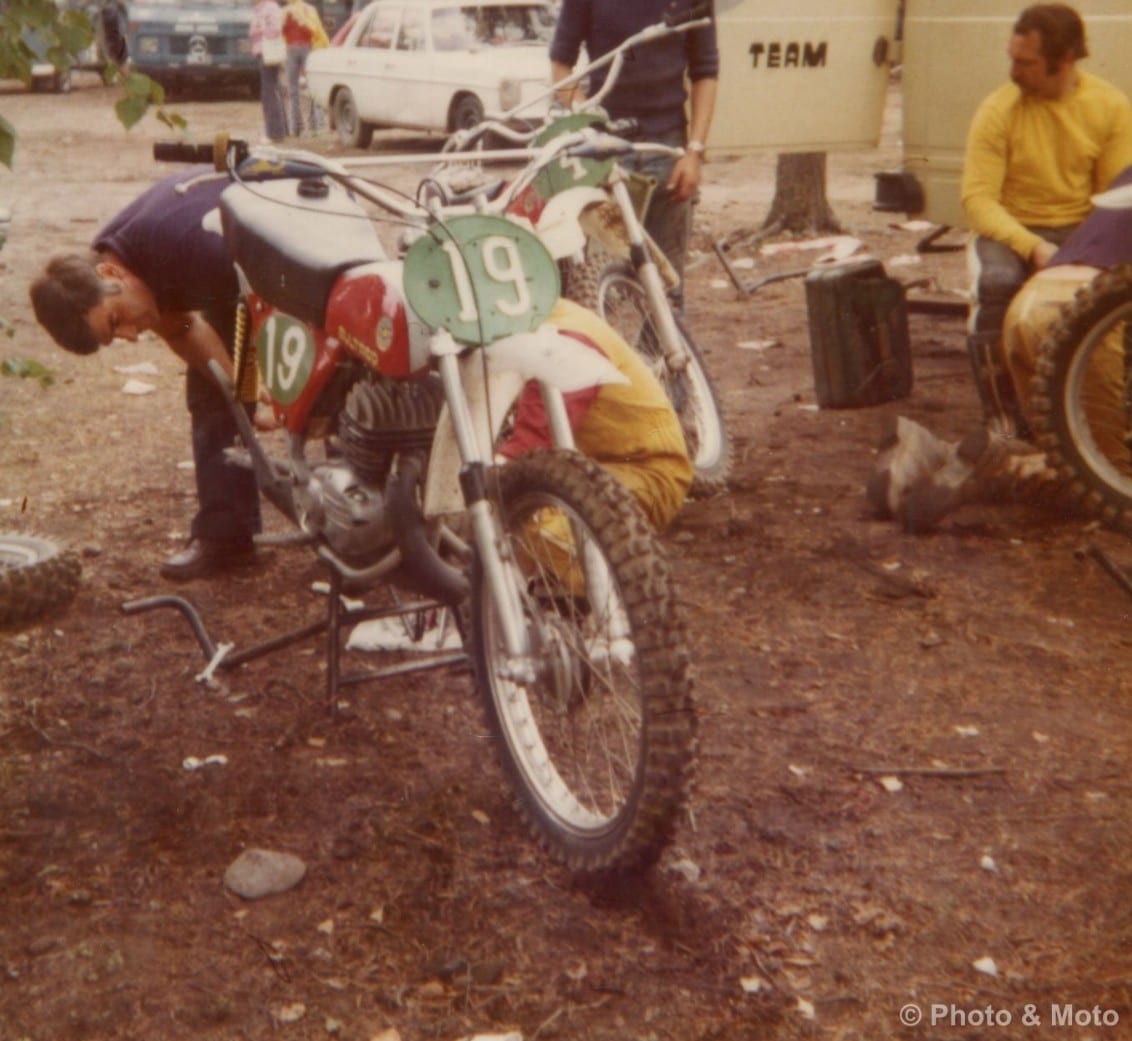
Pomeroy was the first American to win a motocross world championship round. He was also the first rider to win the first World Championship GP he ever entered, as well as the first rider to win a motocross world championship round on a Spanish-made motorcycle.
The victory on a Spanish bike in Spain significantly increased the international visibility of Bultaco and the Pursang.
Montesa Cappra
Montesa’s Cappra 250 VR was built partly around the development work done by Finnish factory rider Kalevi Vehkonen.
In 1972, Vehkonen rode as a Montesa factory rider in the 250cc world championship series and finished fourth in the overall standings. Ahead of him were Joël Robert on a Suzuki, Håkan Andersson on a Yamaha, and Sylvain Geboers on a Suzuki. Montesa was thus the best-placed European-made motorcycle of the season.
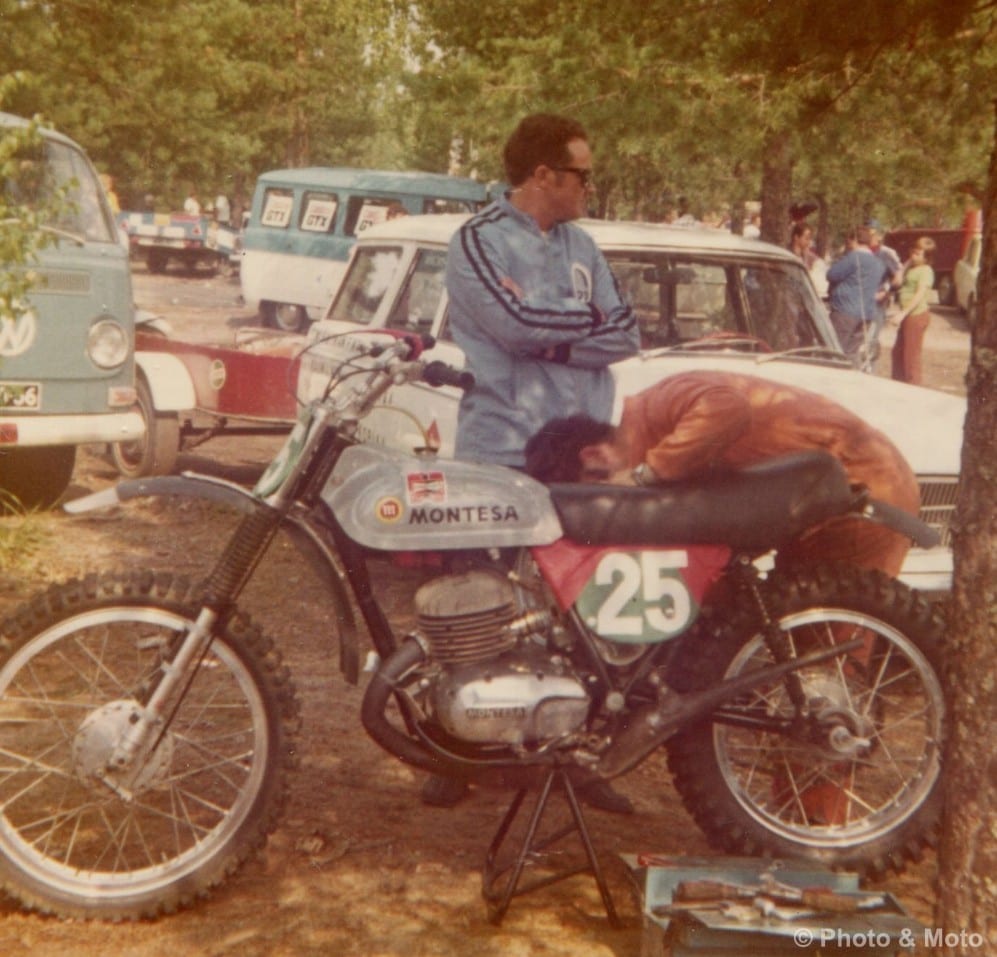
Montesa turned its racing success into a production model. The 1973 lineup introduced the Cappra 250 VR, with the letters standing for Vehkonen Replica. The model was based on the experiences gained from Vehkonen’s race bike. Its frame, geometry, and basic engine structure had been developed through racing activities. In the following year’s version, the package was further refined.
The goal was to offer privateer riders a race bike that was as ready-to-use as possible directly from the dealer. The Cappra 250 VR received very positive test reviews in the United States. Cycle News rated it as one of the best 250cc motocross bikes available on the market, and Cycle World praised its frame, handling, and race-ready package in particular.
The Machines Were Enough, the Resources Were Not
Pomeroy’s and Vehkonen’s achievements showed that both Spanish brands could compete against the world’s best. However, these individual breakthroughs did not develop into long-term dominance.
Montesa achieved a motocross world championship round victory in 1977, when Belgian Raymond Boven won the Spanish 250cc GP on a Cappra. He won the first moto and finished fifth in the second. That same year, Swede Håkan Andersson rode a 500cc Montesa and finished fifth in the world championship series.
At the end of the decade, Bultaco hired Belgian Harry Everts for the 1977–1978 seasons. Everts had won the 250cc world championship in 1975 but was no longer the reigning champion when he moved to Bultaco. He finished fourth in the world championship series on a Bultaco in 1977 and sixth in 1978. Everts has later stated that Bultaco was the only factory that offered him a contract at that time.
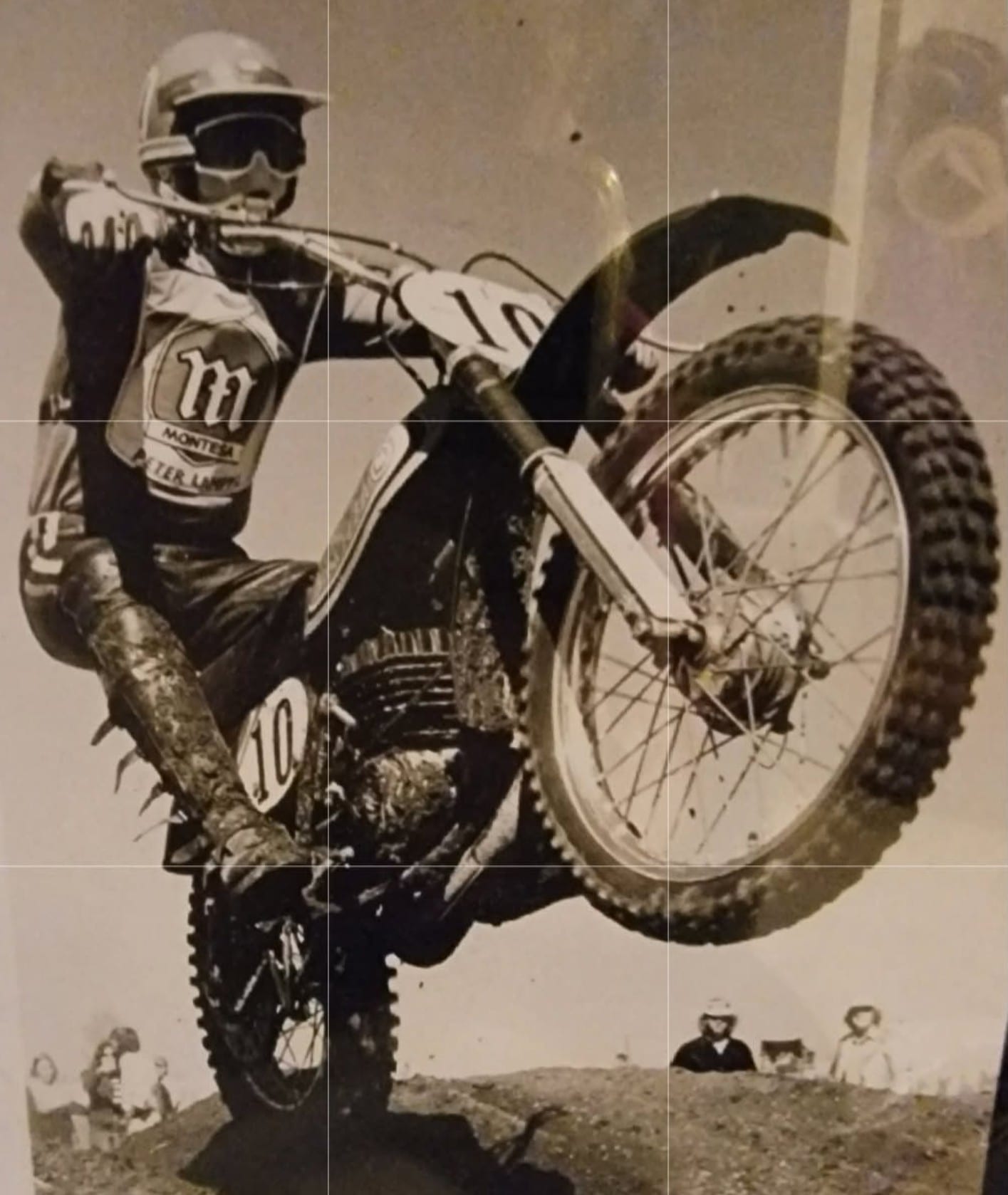
In the United States, the brands’ racing results differed. Montesa had an extensive dealer network, and its bikes were ridden by the likes of Peter Lamppu, Mike Runyard, Tim Hart, and Mickey Kessler. However, Montesa did not achieve an AMA national motocross series round victory.
Bultaco’s results were better. Gary Bailey won two AMA 250cc rounds on a Pursang in 1972. Kenny Zahrt won the RedBud 250cc round in 1974. That same year, Jim Pomeroy finished fourth in the Trans-AMA series and was the best American rider in the series.
Neither brand turned their individual race wins into an individual motocross world championship or an AMA Motocross championship. The limitation to motocross is important, as both brands achieved significant international success in other disciplines, especially in trials.
The End
The Spanish motorcycle industry fell into a serious crisis in the late 1970s. The background factors included oil crises, weakening export markets, inflation, labor disputes, companies’ financial problems, and the growing technical and commercial superiority of Japanese manufacturers.
Bultaco’s production stopped in 1979. Attempts were made to restart operations, and production continued intermittently with the help of a worker-formed cooperative. The original industrial activity ended permanently in 1983. The Bultaco name has since been used by several new companies, but they have not been an uninterrupted continuation of the original CEMOTO.
Montesa also entered insolvency proceedings in 1983. However, its fate turned out differently. Montesa and Honda had established a joint company, Montesa Honda S.A., in 1982, with ownership initially split equally. In 1986, the arrangement was completed, and Honda’s ownership stake became 88 percent. Montesa remained with Honda and continues to manufacture trials motorcycles today.
The split that began in 1958 created two distinct racing brands. Bultaco disappeared as an original manufacturer, but Montesa survived through its collaboration with Honda. Nevertheless, the Pursang and the Cappra VR are remembered as products of the same era: two-stroke motocross bikes built in the Barcelona area that, at their best, were capable of winning in the world’s toughest racing series.