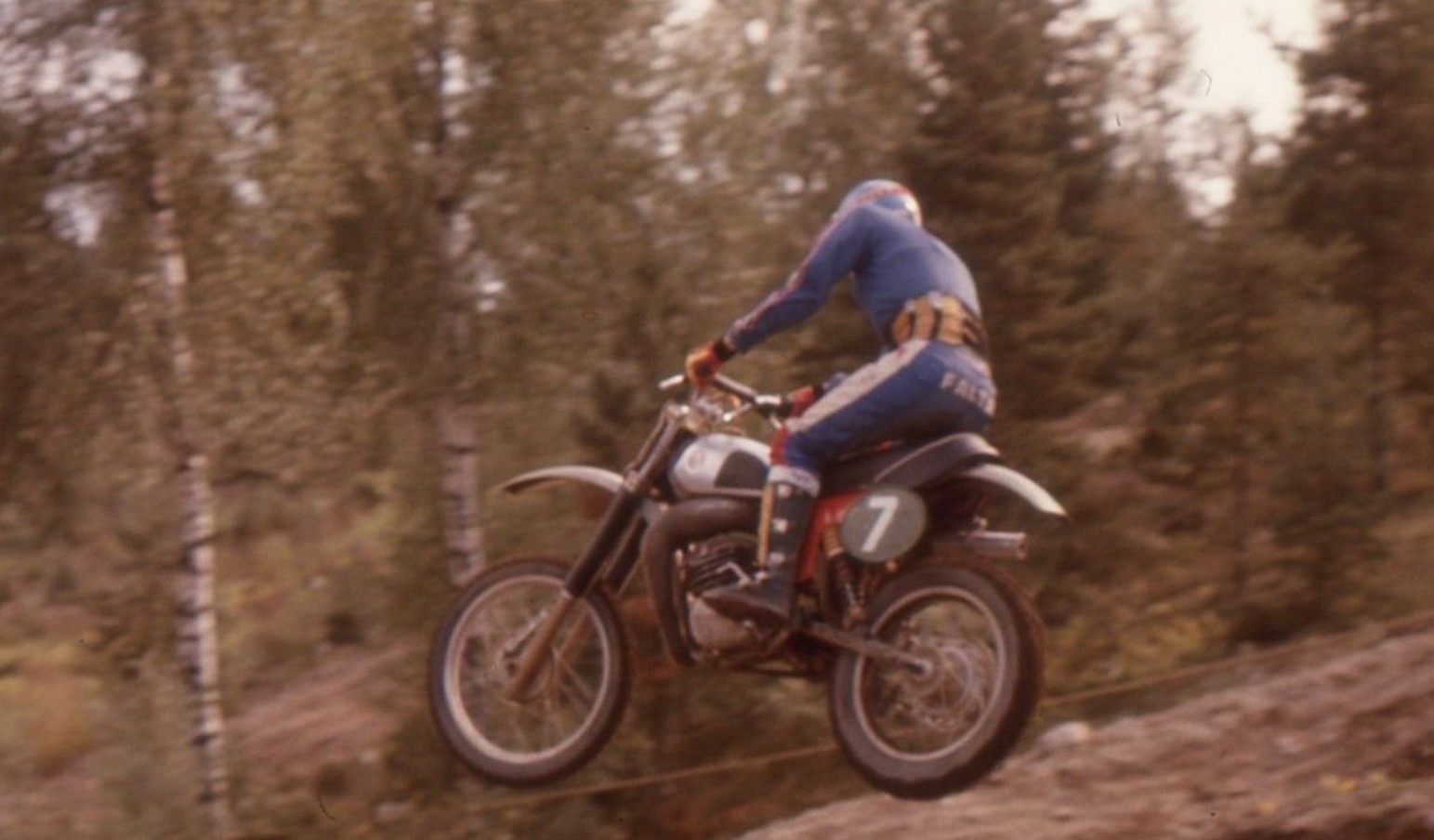
The International Motorcycling Federation (FIM) elevated the 125cc class to official World Championship status in 1975, which proved to be a significant turning point in international motocross. For the Czechoslovakian CZ factory, the new class presented not only a mechanical challenge but also an ideological opportunity in the spirit of the Cold War. In the Eastern Bloc, the 125cc championship was seen as offering an impressive showcase for socialist engineering prowess in this rapidly growing and commercially important displacement category.
Meeting the Challenge
CZ had established its position in the larger classes, but the requirements of the new series necessitated adapting to the peaky power curve and sensitive handling dynamics of 125cc machines. Instead of watching from the sidelines, the factory reacted quickly by bringing a prototype to the track, with the goal of curbing the Japanese manufacturers’ surge from the very beginning. This tactical decision initiated a competition where the constraints of a planned economy and mechanical dedication met on the track.
Technical Breakthrough
For the 1975 debut, the CZ factory introduced the completely new Typ 511 model, which took clear inspiration from the modern design of Japanese manufacturers. From a technical standpoint, the most interesting innovation was its suspension geometry. The horizontally mounted air shocks were an attempt by engineers to create a progressive suspension and achieve a significant increase in rear-wheel travel for that time without complex linkage ratios.
This was a welcome addition to the new class, and the results were immediate. Antonin Babarovsky demonstrated the bike’s performance by finishing third in the World Championship and taking a magnificent victory at the Canadian GP. A fifth-place finish supported by Jiri Churavy confirmed that CZ had risen to become a serious championship contender capable of challenging its Western and Japanese rivals.
Culmination and Success
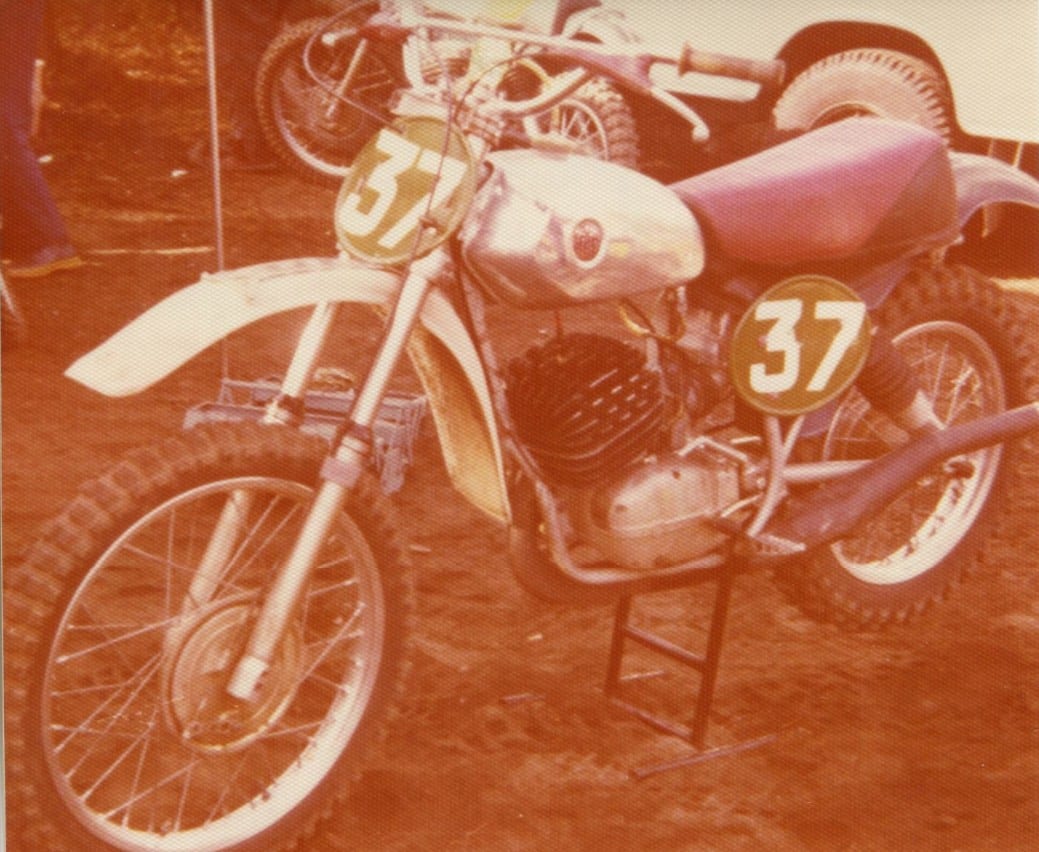
1976 became the absolute culmination of CZ’s 125cc project, where mechanical performance and the efforts of the mechanics peaked in technological perfection. Development of the Typ 511 model continued. Suspension travel was increased both at the front and rear, giving the bike excellent competitiveness on tracks where the Japanese manufacturers’ rapid pace of development began to test the nerves of their competitors. The engine, fed by a Mikuni carburetor, produced 28.6 horsepower at 10,600 rpm. However, the bike’s real trump card was its exceptionally low dry weight of 78.9 kilograms.
The featherweight structure propelled two factory riders to the podium. Although the championship went to Suzuki, Jiri Churavy achieved World Championship silver and Zdenek Velky reached the bronze position. The entry of Yuri Khudiakov and Pavel Rulov into the top ten confirmed CZ’s place at the absolute forefront of the class. However, this successful year was also the final act for an era in which CZ could still keep up with the ever-accelerating pace of international development.
Intensifying Competition Reaches Resource Limits
The technical arms race had become relentless by 1977, and the vast resources of the Japanese manufacturers began to push CZ against the wall. The ability of Western competitors to introduce new updates for almost every race gradually left the Czechoslovakian production machinery behind. To compensate for the aging equipment, Jiri Churavy and Yuri Khudiakov had to take greater risks on the track.
Churavy fought to fourth place in the final standings, and Khudiakov finished sixth in the 125cc final results. The performance of the bikes was already clearly behind the pace of the leaders, which forced the factory to resort to desperate technical experiments to maintain its dwindling reputation.
Liquid Cooling and a Desperate Defensive Battle
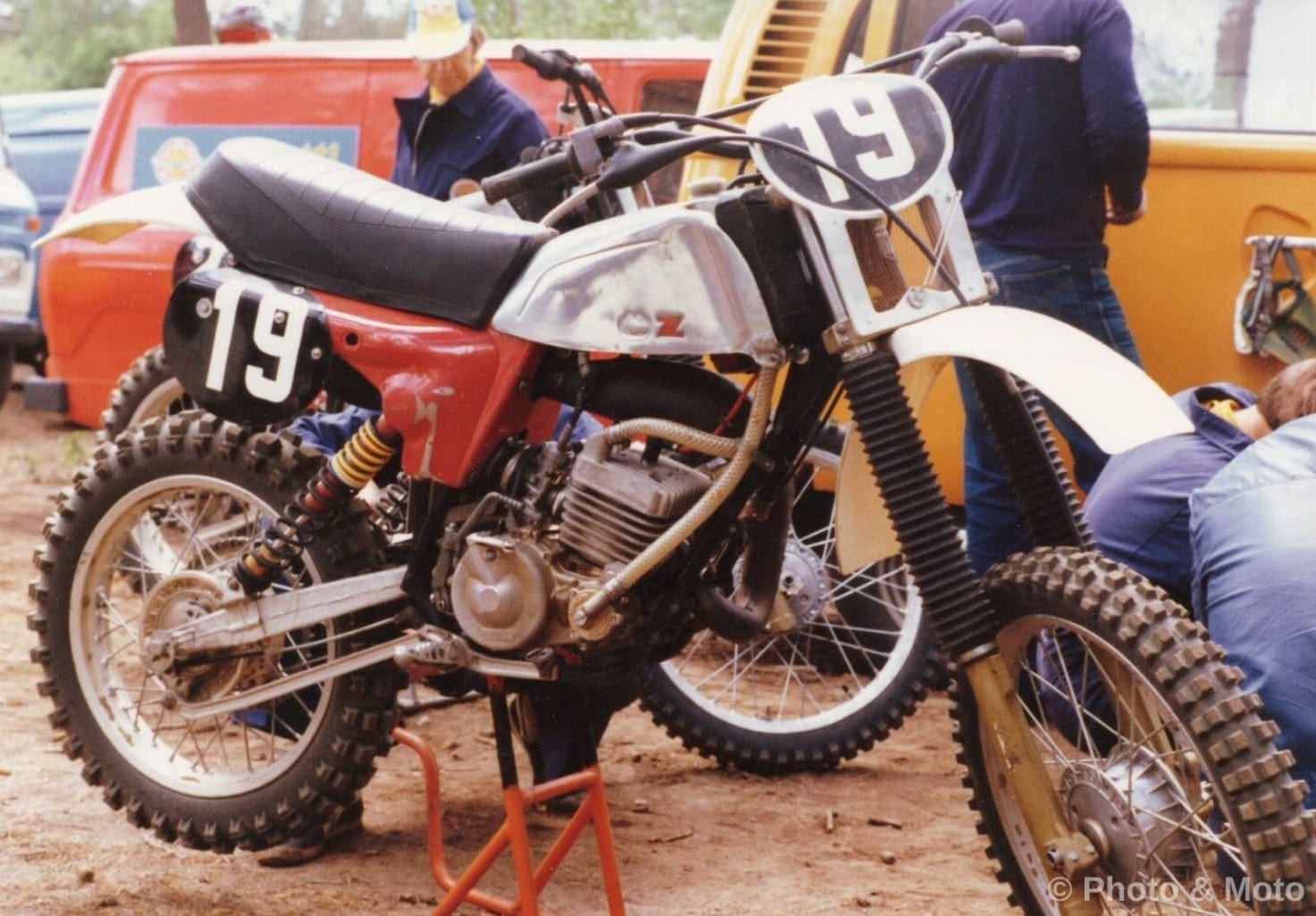
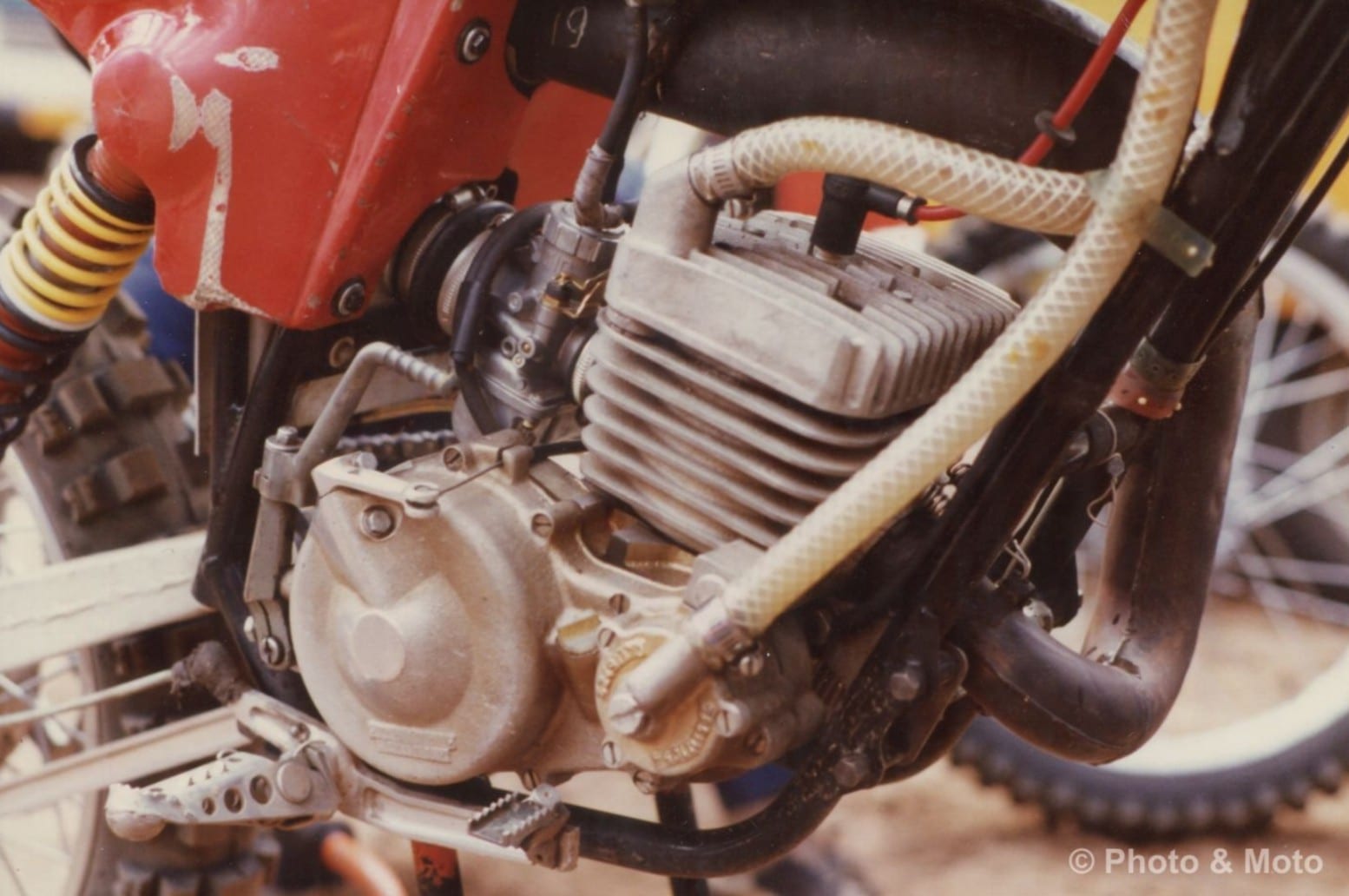
In an effort to stop the decline in performance during the 1978–1979 seasons, CZ shifted to radical liquid cooling. Along with the radiator placed in the front of the aluminum fuel tank, cylinder cooling fins were still left in place, which revealed the engineers’ doubts about the reliability of the new system. The structure was also redesigned by abandoning air shocks and adopting traditional gas-charged dampers and an Italian Marzocchi front fork. However, these attempts at change were not enough to close the gap.
Churavy finished ninth as the best rider in 1978, and Khudiakov finished only eleventh as the best CZ rider in 1979. With this, the Eastern Bloc’s technical struggle turned into a desperate defensive battle against the Japanese manufacturers.
Technical Hybrid and Weight Problems
In 1980, the team’s rider lineup consisted entirely of Soviet riders. At the same time, the new Typ 511-80 model was introduced, which became a heavy hybrid. It was supplemented with Western parts, such as Öhlins shock absorbers, Motoplat ignition, and a larger Mikuni carburetor. Although suspension travel increased further and the engine was made to produce 31.5 horsepower, the bike’s greatest asset, its lightness was lost. The weight ballooned to 93.9 kilograms, a collapse-like increase from the 78.9 kilograms of the 1976 model. The achieved power increase was diluted by the increased mass, and the handling deteriorated so badly that it could not be corrected even with the most rigorous riding discipline.
In the results, the downward trend continued, and in the final standings, Yuri Khudiakov reached 13th place with 26 points. Valery Korneev collected 9 points and ended up in a tie for 30th place. Andrei Ledovskya reached a tie for 45th place with 1 point.
Final Chapter and Withdrawal from the Tracks
The final chapter of CZ’s 125cc GP project was seen in 1981, when the Typ 511-81 model was introduced. The bike’s visual similarity to the previous year’s Suzuki RM 125 model manifested a technical retreat and the exhaustion of its own innovations under the pressure of global competition.
Yuri Khudiakov achieved 17th place in the World Championship with 17 points, which remained CZ’s last points entry in the 125cc class. At the end of this modest season, the factory team quietly withdrew from the tracks, leaving the paddocks to the control of Japanese and emerging European manufacturers.
CZ’s 125cc GP project was the technological swan song of Eastern Bloc motorsport. It demonstrated the engineers’ ability to fight against the world’s best until the professionalization of the sport and accelerating development became overwhelming. Despite the World Championship silver, the story ended in a quiet withdrawal, leaving behind a memory of a time when it was the pride of Czechoslovakia.